
PE Analysis: Is low or High PE better?
Table of Contents
ToggleThe Price to Earnings ratio (PE ratio) is a commonly used tool to determine if the company is over or undervalued in the stock market. It helps to understand the relationship between a Stock price of the company and its earnings per share( EPS).
Understanding PE ratio
PE Analysis shows the current price of a company’s share with its earnings per share (EPS).PE ratio calculation is the company’s earnings from the previous financial year. Investors use it to define the relative value of their company’s shares compared to others in the same sector.The Price-to-Earnings (P/E) ratio is a commonly used financial metric by investors for various purposes. One of its key uses is to evaluate a company’s current valuation relative to its earnings. Investors can also utilize the P/E ratio for historical and market-wide comparisons over time, and it can be calculated either in a backward-looking or forward-looking manner.
What this means is that the P/E Ratio can be used to:
Compare a company’s financial performance with its past performance of the company.
Compare a company’s financial performance with that of other companies in the same business and same sectors.
Compare a benchmark index’s performance with its past performance years.
How to calculate PE ratio
The formula and calculation used for PE ratio is as follows:
PE ratio = Current market price of a share/earnings per share.
Let’s understand this with an example. The current price of ABC Ltd. is Rs 1000 per share and the earning per share (EPS) is Rs 50.
Hence, the PE ratio is Price/Earnings = 1000/50, which means the PE ratio is 20.
Certainly, let's explore the different types of PE Analysis (P/E) ratios:
Which PE Ratio is Good
Trailing Twelve Months (TTM) PE:
This ratio is calculated by dividing the current share price by the earnings per share (EPS) from the last four consecutive quarters. TTM PE is relatively straightforward to calculate as companies regularly report their financial results, including EPS, each quarter.
Forward PE:
The forward PE is computed by dividing the current share price by the estimated EPS for the upcoming four quarters. Calculating the forward PE requires forecasting future financial performance based on company guidance and past performance. Forward PE is valuable as it offers insights into potential future stock price changes.
Absolute PE versus Relative PE:
This is the PE ratio calculated using either TTM PE or Forward PE. It is the most commonly cited PE ratio in the media. However, it has limitations because stocks in different industries often trade at varying valuation levels. For instance, metal stocks typically have lower PE ratios than fast-moving consumer goods (FMCG) stocks. This doesn’t necessarily mean metal stocks are cheaper or more attractive, but rather reflects the industry norms.
Relative PE:
Relative PE compares the current absolute PE to a range of past PEs over a relevant time period, such as the last 10 years. It typically compares the current PE to the highest value within that range. For example, if a stock’s highest PE over the last decade was 30, and it’s currently trading at a PE of 27, its relative PE would be 0.9.
What is a good PE ratio for purpose of PE Analysis?:
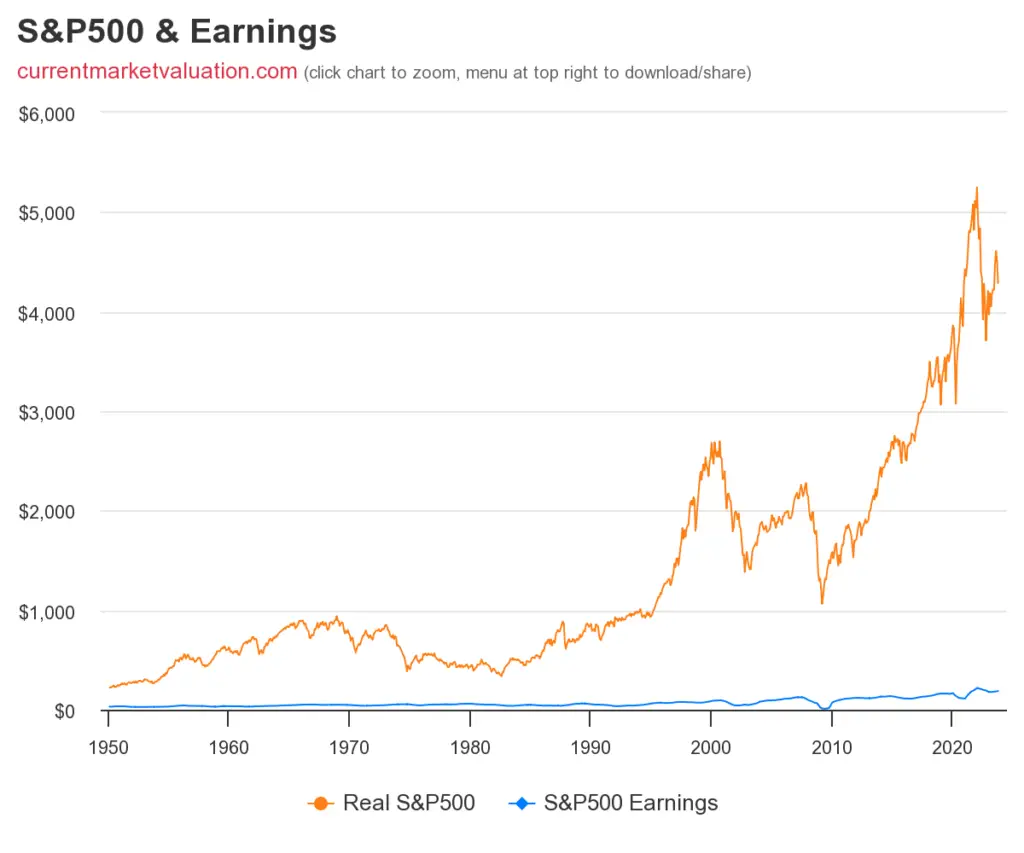
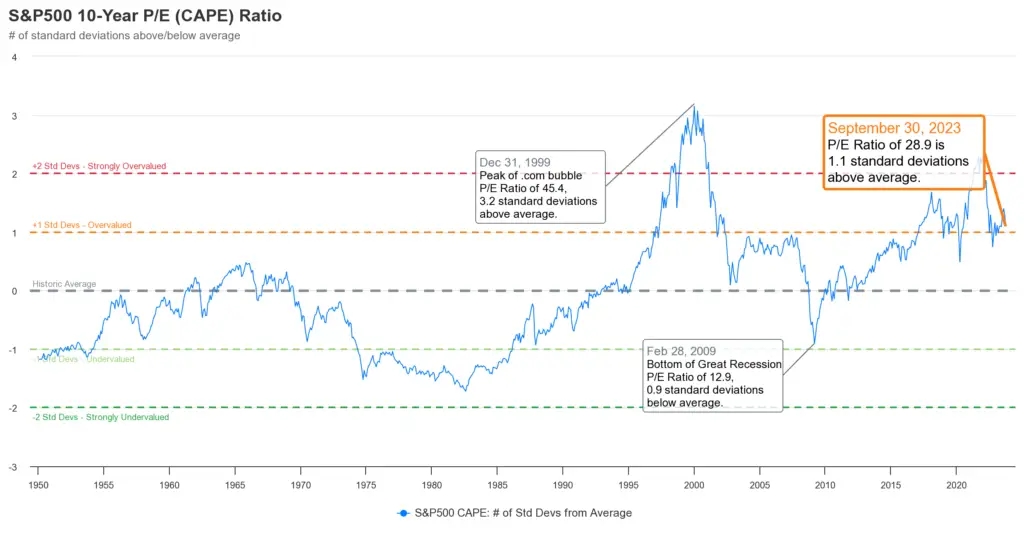
The ideal PE ratio varies across industries and individual stocks for PE Analysis. Generally, stocks with greater earnings growth potential tend to have higher PE ratios. As a result, it’s not appropriate to apply a single PE level to all stocks when assessing their attractiveness. Instead, investors should consider the historical range of PEs for a specific stock. If the current PE is at the lower end of that historical range, it could be seen as a potentially good investment opportunity, taking into account other relevant factors. However, assessing the attractiveness of a stock involves considering a range of financial and qualitative factors beyond just the PE ratio, such as the company’s growth prospects, financial health, industry conditions, and macroeconomic factors.As far as Nifty is concerned, it has traded in a PE range of 10 to 30 historically. The average PE of Nifty in the last 20 years was around 20.* So PEs below 20 may provide good investment opportunities; the lower the PE below 20, the more attractive the investment potential.
Conclusion
In a nutshell, we’ve covered the P/E ratio, its different forms, its role in investment strategies, and its drawbacks. While the P/E ratio is a useful tool for assessing a stock’s value, astute investors and mutual fund managers take a broader view. They consider factors like a company’s sustainability, competitive edge, growth potential, financial health, and management quality. By incorporating these elements alongside the P/E ratio, they can make more well-rounded investment choices that align with their investment objectives.